
How Long Do Disposable Cameras Last? (Read Before Using)
Disposable cameras usually work best for one to two years if sealed. After expiry, photos may still develop, but the quality drops. Store your camera in a cool, dry place. This helps your disposable camera last longer.
In this guide, you will understand lifespan, storage effects, and what happens after expiration.
Why Are Disposable Cameras Still Popular Today?
Disposable cameras remain popular because they keep photography simple and fun. You do not need skills, settings, or screens; just point and shoot. Many users enjoy the surprise of seeing photos after development, which adds emotion that digital cameras don’t offer. They are also common at weddings, trips, and events where people want distraction-free memories.
How Do Disposable Cameras Actually Work?
- Light enters the lens and exposes the film
- Film records images using light‑sensitive chemicals
- Film advances manually when you wind the wheel
- A simple shutter controls exposure
- Photos appear only after lab development
What Is the Average Lifespan of a Disposable Camera?
A disposable camera does not last forever, but it can stay usable for years if stored properly. The lifespan mostly depends on film quality, storage conditions, and whether the camera is opened or sealed.
Average lifespan:
- Sealed disposable cameras: Usually last 2 to 5 years
- Opened cameras: Best used within 6 to 12 months
- Expired film: Still works, but image quality may drop
- Good storage: Can extend lifespan beyond the expiry date
Do Sealed Cameras Last Longer Than Opened Ones?
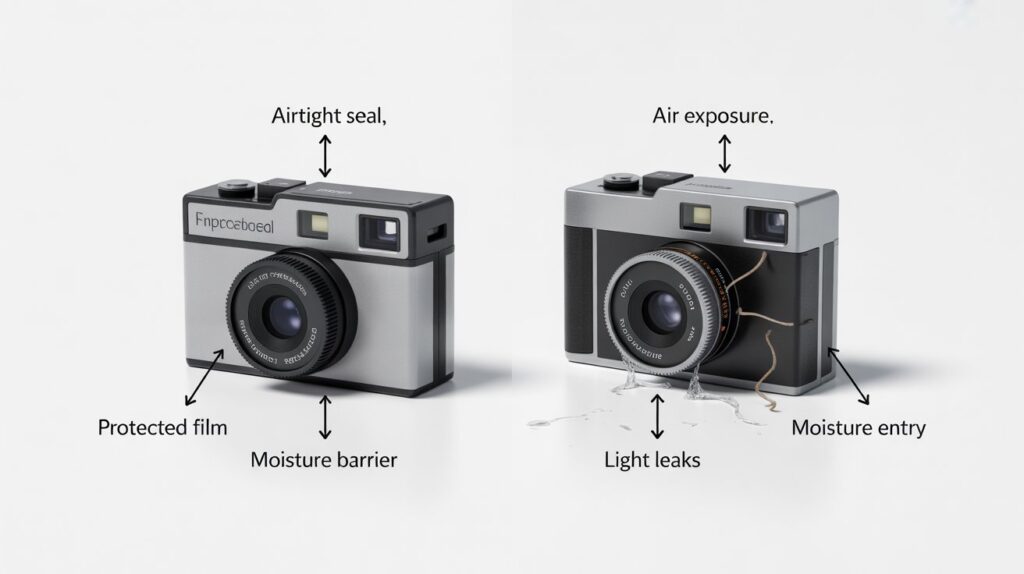
Yes, sealed disposable cameras clearly last longer than opened ones. The main reason is protection.
Why Sealed Cameras Have a Longer Lifespan:
Sealed cameras protect the film from air, light, and moisture, which helps maintain image quality for years to come.
- Factory protection: Keeps film safe from oxygen and humidity
- Slower film aging: Chemicals stay stable for a longer time
- Better photo quality: Colors and sharpness remain more accurate
After opening:
Once the packaging is opened, the film becomes more sensitive to its surroundings. Exposure to air, heat, and light starts affecting the film right away. That is why open cameras should be used sooner, usually within a few months, to avoid faded or grainy photos.
Which Environmental Factors Affect Camera Lifespan?
Several environmental factors can affect how long a disposable camera stays usable. Even a sealed camera can be damaged if stored in poor conditions, which may result in faded, blurry, or grainy photos.
Impact of Heat on Camera Lifespan:
High temperatures can damage the camera body and accelerate chemical changes in the film. Even short exposure to direct sunlight can fade colors or make images blurry over time.
Role of Humidity and Moisture:
Moisture is a silent enemy of film. High humidity can make the film sticky or cloudy, ruining your shots.
Tips to protect your camera from humidity:
- Store cameras in a dry place, away from bathrooms or kitchens
- Use airtight containers or zip-lock bags for extra protection
- Avoid leaving cameras in cars or humid environments for long periods
Effect of Light and Air Exposure:
Light, especially direct sunlight, can prematurely age the film, causing faded or washed-out colors. Once a camera is opened, air exposure begins to degrade the chemicals in the film, making it essential to use opened cameras quickly.
How Can You Tell If a Camera Has Expired?
Knowing whether a disposable camera has expired is important if you want good photos. Expired cameras may still work, but the image quality often suffers, with colors fading or pictures looking grainy.
Signs a Camera Has Expired:
- Sticker or box date: Most disposable cameras have an expiration or use-by date printed on the packaging or camera body.
- Discoloration on film: If you can see any film through the camera window, yellowing or unusual spots indicate aging.
- Blurry or faded test shots: Even before development, older film may produce weaker, less vibrant images.
Quick Tip:
If a camera is expired but sealed, it can still be used, just don’t expect perfect quality. For open cameras, it’s better to use them immediately to avoid further degradation.
What Are the Signs of Poor Image Quality?
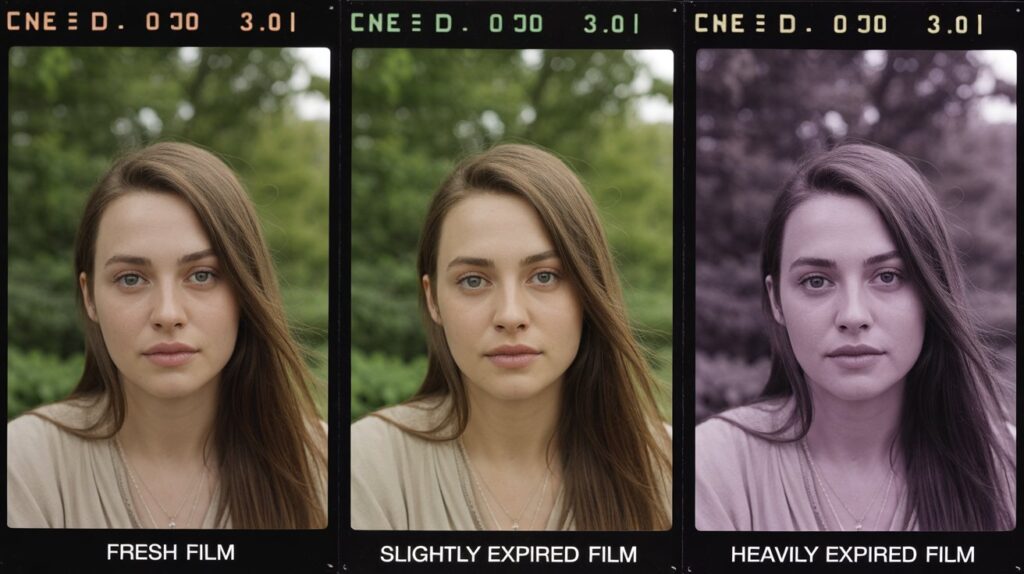
Poor image quality in disposable cameras usually shows up when the film is old, exposed to bad conditions, or the camera wasn’t handled properly. Knowing these signs helps you decide if the camera is still usable or not.
Common Signs of Poor Image Quality:
| Sign | What It Means | How to Avoid |
| Blurry images | Shaky hands, expired film, or lens issues | Hold the camera steady, check the expiration |
| Faded colors | The film is old or exposed to sunlight | Store in dark, cool places |
| Grainy or speckled photos | The film degraded due to age or humidity | Keep the camera sealed and dry |
| Uneven exposure | Light leaks or malfunctioning shutter | Avoid opening the camera unnecessarily |
| Dark or overexposed photos | Low light conditions or flash failure | Use flash properly, avoid extreme lighting |
How Can You Extend the Life of a Camera?
Store cameras in a cool, dry, dark place. Avoid opening until ready to shoot. Handle gently, and do not test the flash repeatedly. These steps reduce chemical breakdown and protect image quality over time.
Do Flash Cameras Expire Faster Than Others?
Flash disposable cameras can sometimes face faster quality issues than non-flash cameras, mainly because of the extra electronics and battery inside. While the film itself ages at the same rate, improper storage or battery leakage can affect overall camera performance.
Key points to know about flash cameras and expiry:
- Battery sensitivity: Batteries inside flash cameras can leak over time, damaging the film or camera internals
- Film lifespan: Flash cameras use the same film as non-flash ones, so chemical aging is similar
- Storage matters: Heat or humidity can affect both the flash unit and the film
- Usage tip: Always test the flash before important events, especially in older cameras
How Do Disposable Cameras Compare to Digital?
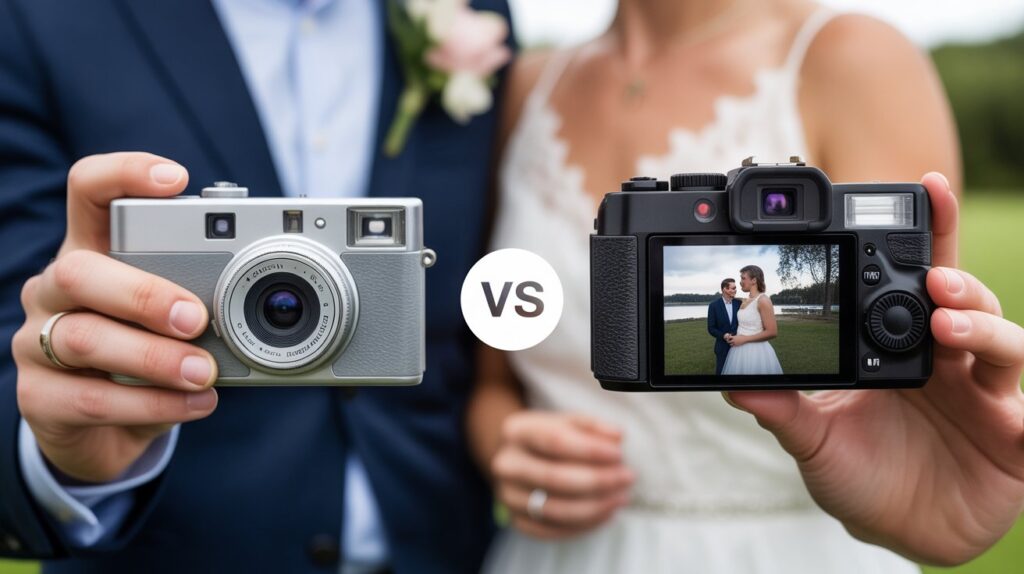
Disposable cameras and digital cameras are very different in how they capture and store images. Disposable cameras use film, which you develop later to see your photos, while digital cameras record images instantly and store them electronically.
Film vs Digital Experience
Disposable cameras give a simple, hands-on experience. You do not adjust settings or delete photos; you capture moments and wait to see the results. Digital cameras allow instant review, editing, and sharing of images.
Key Differences
- Cost: Disposable cameras are cheap per use, and digital cameras are a one-time investment
- Reuse: Digital cameras can be used indefinitely; disposables are single-use
- Quality: Digital cameras usually produce sharper, clearer images; film offers a vintage, nostalgic look
Are Disposable Cameras Eco-Friendly?
Disposable cameras are convenient but have significant environmental drawbacks. Being single-use, they generate more waste than reusable digital cameras, and the film and chemicals can harm the environment if not disposed of properly.
Environmental Impact of Disposable Cameras:
| Factor | Impact | Notes |
| Plastic waste | High | Most cameras are made from non-recyclable plastic |
| Chemical film | Moderate to high | Film development uses chemicals that can pollute water |
| Single-use design | High | Cameras cannot be reused, increasing landfill waste |
| Battery (for flash cameras) | Moderate | It can leak if not disposed of correctly |
| Carbon footprint | Moderate | Manufacturing and shipping contribute to emissions |
While disposable cameras are fun and easy to use, frequent use has a higher environmental cost compared to digital or reusable alternatives.
FAQ’s
Do Disposable Cameras Expire If Not Used?
Yes. Disposable cameras have an expiry date, but sealed cameras can still work after it, with reduced image quality.
Can You Still Use an Expired Disposable Camera?
Yes. Expired cameras can produce photos, though colors may fade and grain may increase.
Are Disposable Cameras Better Than Digital for Events?
No. Disposable cameras offer fun and nostalgia, but digital cameras provide better quality and instant results.
What Happens If a Disposable Camera Is Stored Improperly?
Poor storage, such as heat or humidity, speeds up film damage, leading to blurry, faded, or uneven photos.
Why Do Sealed Disposable Cameras Last Longer?
Sealed packaging protects the film from air, light, and moisture, slowing chemical aging and preserving quality longer.
Conclusion:
Disposable cameras can last longer than many people expect if stored properly. While expired or opened cameras may lose image quality, careful handling and cool, dry storage help preserve memories and keep film photography enjoyable and usable for years.